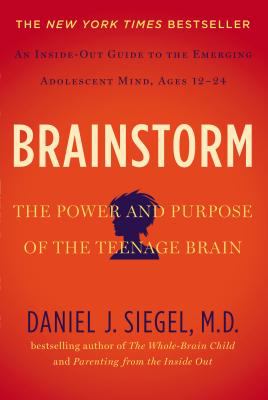
 Brainstorm: The Power and Purpose of the Teenage Brain by Daniel J. Siegel, M.D.
There are four qualities of adolescence—the period between ages 12 and 24—that adults must try never to lose:
- novelty seeking
- social engagement
- emotional intensity
- creative exploration
To maintain these qualities helps a person to be a lifelong learner—one of those big goals that all educators hope their students achieve because it means they will have a full life.
Most adults think of adolescents as hormone-crazed drama kings and queens. But, of course, this isn’t fair. While the teen years are a time of emotional intensity and full of tears, they are also a time when playfulness and humor can emerge.
But still, adults understand one thing that adolescents might not: this period between age 12 and 24 is the most dangerous in life. At this age, the highest percentage of avoidable deaths occur. The brain isn’t finished forming and teens don’t fully grasp their risk-taking behaviors. They drink, do drugs and drive too fast; they kill themselves and others.
And yet somehow they can go from this to becoming adults who live on autopilot. As adults, they can find life too stressful, too difficult. They find it easier just to have a survival routine mode. They don’t make new friends or try new things. They are in a rut.
So how can we work on both these problems—to be careful enough in adolescence not to do real damage, but to keep the love of new experiences (novelty) as adults? Siegel gives the reader a lot of advice. He shows teens that although they are (and should be) more connected to peers at this age, they need to stay connected to adults to avoid dumb risk taking.
Brainstorm is actually about more than just the teenage brain. Anyone who wants to figure out why they do what they do, and who hopes to live a more fulfilling life, will enjoy the book. The bonus is that the conclusions are based on scientific research on the brain. So the reader will be comfortable in trying any of the several ‘mindsight tools’ that Siegel includes. And the book is organized so that the chapters can be read in any order that interests the reader—or s/he might concentrate on some of the chapters and skip others.
High school housekeeping:
This is a great book for any teen who’s worrying about handling her or his problems, about becoming an adult and losing the best of him or herself. It’s also great if your teacher gives you a nonfiction assignment. It’s the kind of book that the framers of the Common Core are hoping you’ll have the chance to read because it has facts about brain science (all put in layman’s terms) and yet it’s very interesting. If you are looking for a book that will help you practice mindfulness, the ‘mindsight’ exercises are a good start. At just over 300 pages, Brainstorm is also the shortest book I’ve read that does a good job of detailing how we can use brain science as the basis of working at creating our happiness or contentment. What better real-life application of learning can there be?

 School Library Lady